Tropical Lush vs. Coastal Classic: Two Wedding Flower Styles for South Florida Brides
Two very different moods, both completely at home under a South Florida sky.
If you’re planning South Florida wedding flowers, one of the first creative decisions we help couples make isn’t a specific bloom or a specific venue — it’s a mood. South Florida gives you a rare kind of design freedom: you can lean into the region’s natural drama with a tropical lush palette, or you can play against it with a softer, coastal classic look that feels more Nantucket than Miami. Neither is more “right.” They’re simply two different love letters to the same coastline, and knowing the difference before your first design consultation will save you time, budget, and a lot of second-guessing later.
What “Tropical Lush” Actually Looks Like
Tropical lush design takes its cues directly from South Florida’s landscape: saturated color, oversized foliage, and a sense of abundance. Think anthurium, ginger, orchids, and bird of paradise mixed with big-leaf greenery like monstera, palm frond, and philodendron. Color palettes tend to run warm and confident — fuchsia, tangerine, papaya, deep burgundy — sometimes punctuated with a single cooling note like white or ivory to keep the arrangement from feeling too heavy.
This style photographs beautifully against modern architecture, open-air pavilions, and anywhere with strong natural light. It also happens to be a practical choice for South Florida’s heat and humidity, since many tropical blooms and foliage are grown to thrive in exactly those conditions.
What “Coastal Classic” Actually Looks Like
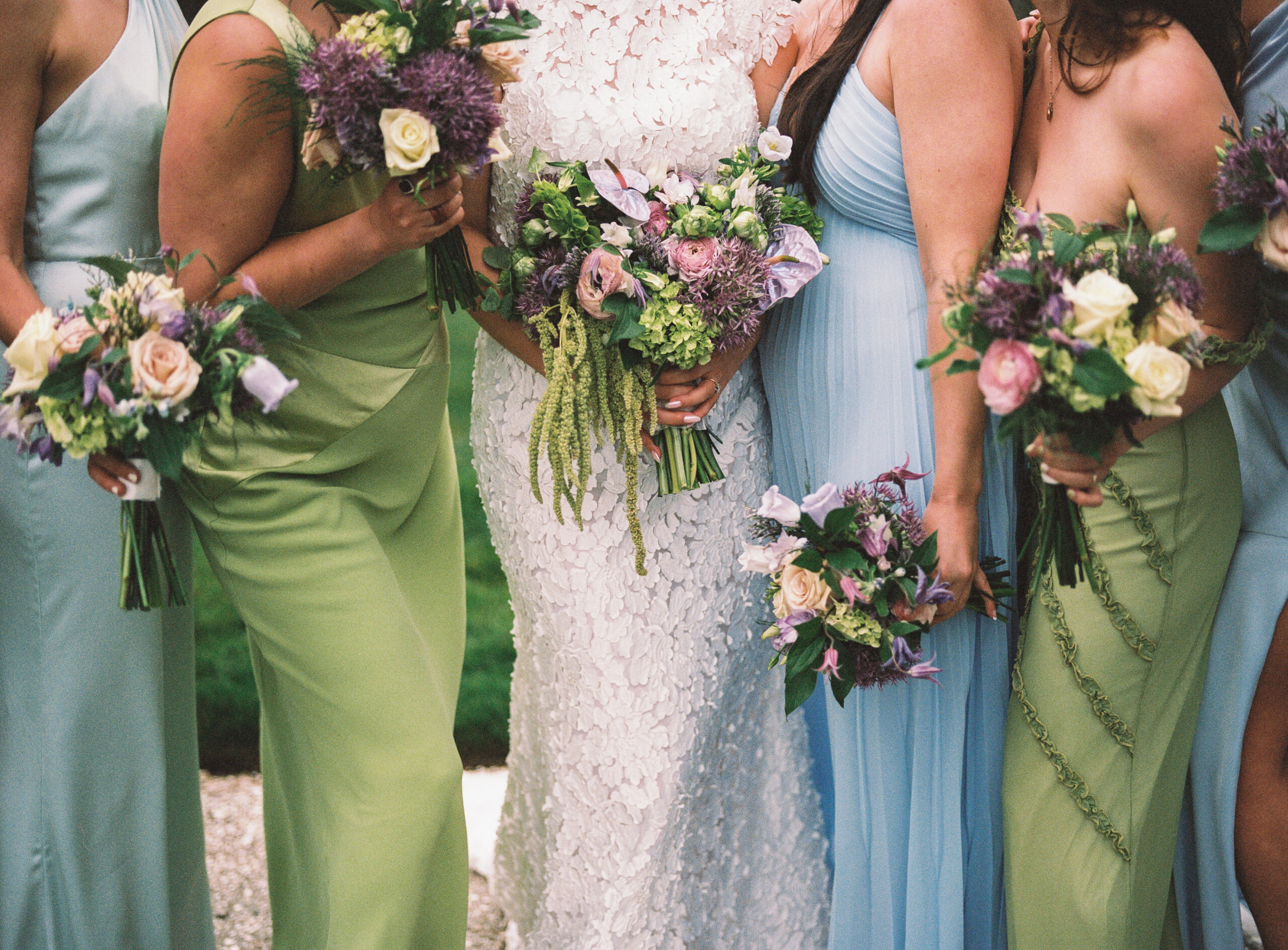
Coastal classic design pulls in the opposite direction. It favors a quieter, more heirloom palette — ivory, blush, sage, dusty blue — built around garden-style blooms like roses, ranunculus, delphinium, and lisianthus, arranged loosely rather than in tight, structured shapes. Foliage tends to be airy and fine-textured: olive branch, seeded eucalyptus, jasmine vine, rather than the bold tropical leaf.
This palette leans into the calmer side of a coastal setting — the sound of water rather than the color of it — and tends to suit couples who want their photos to feel timeless rather than tied to a specific place or trend.
| Tropical Lush | Coastal Classic | |
|---|---|---|
| Palette | Saturated, warm, high-contrast | Soft, muted, low-contrast |
| Signature blooms | Anthurium, bird of paradise, orchid, ginger | Garden rose, ranunculus, delphinium, lisianthus |
| Foliage | Monstera, palm frond, philodendron | Olive branch, seeded eucalyptus, jasmine vine |
| Best suited to | Modern venues, open-air spaces, strong natural light | Waterfront estates, garden settings, classic architecture |
| Overall feel | Bold, vibrant, of-the-moment | Soft, romantic, timeless |
— Christine, Founder & Lead Designer, Plant Girl Floral
How to Choose Between the Two
Start with your venue. A waterfront estate with manicured lawns and classic architecture will generally support a coastal palette more naturally, while a modern resort, lush garden property, or open-air pavilion can carry a tropical palette with real confidence. From there, think about your own wardrobe and stationery instincts: if you’re drawn to clean lines and a neutral color story, coastal classic will likely feel more like “you.” If you gravitate toward bold color and don’t want your wedding to look like every other wedding on your Pinterest board, tropical lush is worth exploring.
It’s also worth saying: this isn’t an all-or-nothing decision. Many of our South Florida couples land somewhere in between — a coastal palette with one or two tropical textural moments, or a tropical palette softened with garden-style bouquet shapes instead of tight, architectural ones.
A Quick Gut Check
- If you want your photos to feel unmistakably South Florida: lean tropical lush.
- If you want your photos to feel timeless and venue-agnostic: lean coastal classic.
- If you’re torn: bring both mood boards to your consultation and let your florist help you find the blend.
Bringing It Together
Whichever direction you choose, the details matter as much as the palette. Bouquet shape, ceremony arch style, and even the greenery used on your reception tables should all echo the same design language, or the two styles will fight each other instead of working together. This is where a full-service florist earns their keep: not just sourcing the right stems, but making sure every arrangement across your day, from the bridal bouquet to the last centerpiece, tells one consistent story.
Frequently Asked Questions
What is the difference between tropical and coastal wedding florals?
Tropical florals lean into bold, saturated color and dramatic foliage like monstera and bird of paradise, while coastal florals favor soft, muted palettes, airy textures, and classic garden blooms like roses and ranunculus.
Which style works better for an outdoor South Florida wedding?
Both styles work outdoors, but tropical florals tend to hold up especially well in heat and humidity since many tropical blooms and foliage are naturally suited to that climate, while coastal-style arrangements may need hardier stand-in blooms to keep the soft palette from wilting quickly.
Can I mix tropical and coastal elements in one wedding?
Yes. Many South Florida couples blend the two, using a coastal color palette with a few tropical textural elements, or grounding a tropical palette with classic coastal shapes like loose, garden-style bouquets.
How do I choose the right floral style for my venue?
Let your venue’s architecture and setting guide you: waterfront and garden estates often lean coastal, while modern resorts and lush tropical grounds can support a bolder tropical palette. A florist can help you read the space before committing.
Not Sure Which Style Is You?
Let’s talk through your venue, your vision, and your South Florida wedding flowers together — no pressure, just a conversation.

Comments >>