Choosing Flowers That Match Your Wedding Venue
Every venue has a personality before a single flower arrives. Here’s how to read it, with real examples across six Rhode Island venues.
I’m Christine, founder of Plant Girl Floral, and one of the first things I do with any couple is really look at their venue — not just the room count and capacity, but the architecture, the materials, the natural light, the overall feeling the space already has. The best floral design doesn’t fight that feeling. It amplifies it. Here’s how I think about matching florals to four common venue archetypes, using six Rhode Island venues as examples.
Grand Historic Estates
Ornate & Storied
Architecture that’s already telling a story — the flowers just need to join it.
Rosecliff
OceanCliff
These properties share a common thread: significant architecture, dramatic natural surroundings, and a sense of occasion built into the setting itself. At Castle Hill’s cliffside lawn, the ocean view carries much of the visual weight, so I favor lower-profile ceremony florals with sturdy mechanics that won’t compete with the water. At Rosecliff, the ballroom’s gilded-age grandeur calls for fuller, more classic arrangements that rise to meet the room’s scale. OceanCliff’s mix of harbor views and expansive grounds gives more flexibility, often letting a single cohesive palette carry across several distinct spaces in one day.
Design approach
Classic, romantic blooms — garden roses, peonies, ranunculus — in structured or gently cascading arrangements that honor the formality of the architecture without overwhelming it.
My studio has designed weddings at Castle Hill Inn, Rosecliff, and OceanCliff, and each requires reading the specific balance between the view, the interior, and the guest experience before a single design decision is made.
French Chateau & Garden Estates
Romantic & Storybook
European-inspired architecture surrounded by cultivated gardens.
Glen Manor House, in Portsmouth, is a French chateau-style estate overlooking the Sakonnet River, with manicured gardens, marble fireplaces, and an overall storybook feel. Venues like this already have romance built into the architecture and landscaping, so the floral opportunity is less about creating drama and more about extending the estate’s existing elegance into personal touches — bouquets, tablescapes, and ceremony details that feel like a natural continuation of the gardens outside.

Design approach
Soft, romantic palettes in ivory, blush, and sage that echo the surrounding gardens, with an emphasis on classic texture over bold structural statements. A chateau-style property rewards restraint and refinement more than scale.
Rustic Vineyard & Working Estates
Natural & Textured
Working landscapes — vineyards, gardens, stone, and wood — that call for florals with the same organic energy.
Shepherd’s Run, a historic vineyard estate with Norman-style architecture and gardens originally designed by Beatrix Farrand, blends rustic New England charm with genuine luxury. Venues like this have real texture already built in — stone walls, wood beams, working vines — so floral design can lean into looser, more organic shapes without feeling out of place.
Design approach
Loose, garden-style arrangements with natural movement, foraged-look greenery, and grasses that echo the surrounding vineyard and gardens. Warmer, earthier palettes tend to feel most at home in this kind of setting, especially for late-summer and fall weddings.
Modern Coastal Venues
Clean & Airy
Contemporary architecture with the beach itself as the main event.
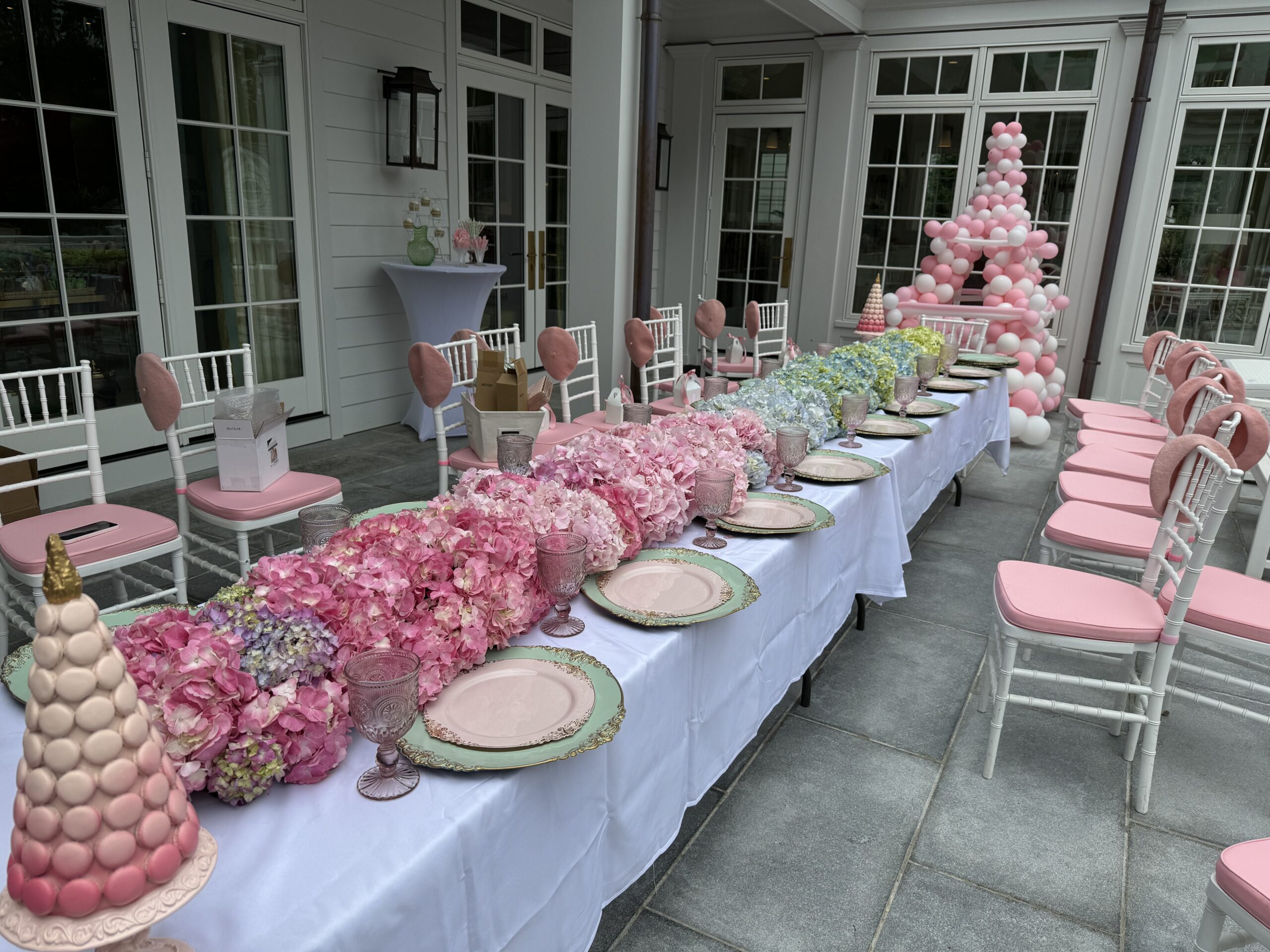
Newport Beach House brings a modern, laid-back coastal style to its Middletown beachfront setting — clean interior lines, wide water views, and a more relaxed overall energy than Newport’s historic mansions. Because the architecture here is simpler and more contemporary, floral design often gets to play a bigger visual role, adding texture and color where the space itself stays intentionally understated.
Design approach
Airy, textural arrangements with movement — think loose greenery, flowing shapes, and a palette that can either lean soft and neutral or embrace bolder coastal color, depending on the couple’s style. Sturdier blooms and secure mechanics matter here too, given the beachfront wind exposure.
“I never start with the flowers. I start by asking what the room is already saying, and then decide how loudly the florals need to speak.”— Christine, Plant Girl Floral
A quick way to read any venue before your consultation
- Is the architecture ornate and historic, or clean and modern?
- Does the setting already have a strong natural view or landscape doing visual work?
- Is the material palette warm and textured (stone, wood) or crisp and minimal (glass, white walls)?
- Does the space feel formal, relaxed, or somewhere in between?
Answering these honestly before your florist consultation makes it much easier to land on a design that feels intentional rather than generic.
Whatever venue you’ve chosen, the goal is the same: floral design that feels like it belongs there, not like it was dropped in from somewhere else. I’d love to talk through what that looks like for your specific space.
Let’s Design for Your Venue
Tell me where you’re getting married, and I’ll help you build a floral plan that fits it perfectly.
Frequently Asked Questions
How do I choose floral design that fits my wedding venue?
Start by identifying your venue’s dominant architectural character, such as historic and ornate, modern and clean-lined, rustic and natural, or coastal and casual. Floral design generally works best when it complements that character rather than working against it.
Should floral style match the venue or the couple’s personal taste?
Ideally both. A skilled florist can usually find a design approach that reflects a couple’s personal style while still working in harmony with the venue’s existing architecture and setting, rather than treating the two as competing priorities.
What floral style works at a rustic vineyard or barn-style venue?
Rustic and vineyard-style venues typically pair well with loose, organic arrangements, natural textures like grasses and foraged greenery, and a more relaxed, garden-inspired color palette rather than highly structured, formal design.
Do modern coastal venues need less floral design than historic mansions?
Not necessarily less, but often different. Modern coastal venues tend to have clean, minimal architecture already, so floral design frequently plays a bigger visual role and can lean into texture, color, and organic shape more freely than in a highly ornate historic space.

Comments >>